
The Lorraine Gorman Foundation
Restore A Home
Turning A House Into A Home
The Restore-a-Home program is dedicated to repairing and redeveloping neglected supported accommodation facilities, turning overlooked buildings into safe, liveable homes.
Many of those living in these poor housing conditions come from a wide range of circumstances, but most share one thing in common: some form of mental or physical disability that makes appropriate, stable housing harder to find and harder to keep. For these residents, a deteriorating facility can mean unsafe living conditions, inadequate care, and a housing situation that actively works against their wellbeing rather than supporting it.
Whatever their situation is, we aim to provide each one with the support and opportunity to transition into safe and supportive homes.
Why We Created This Program
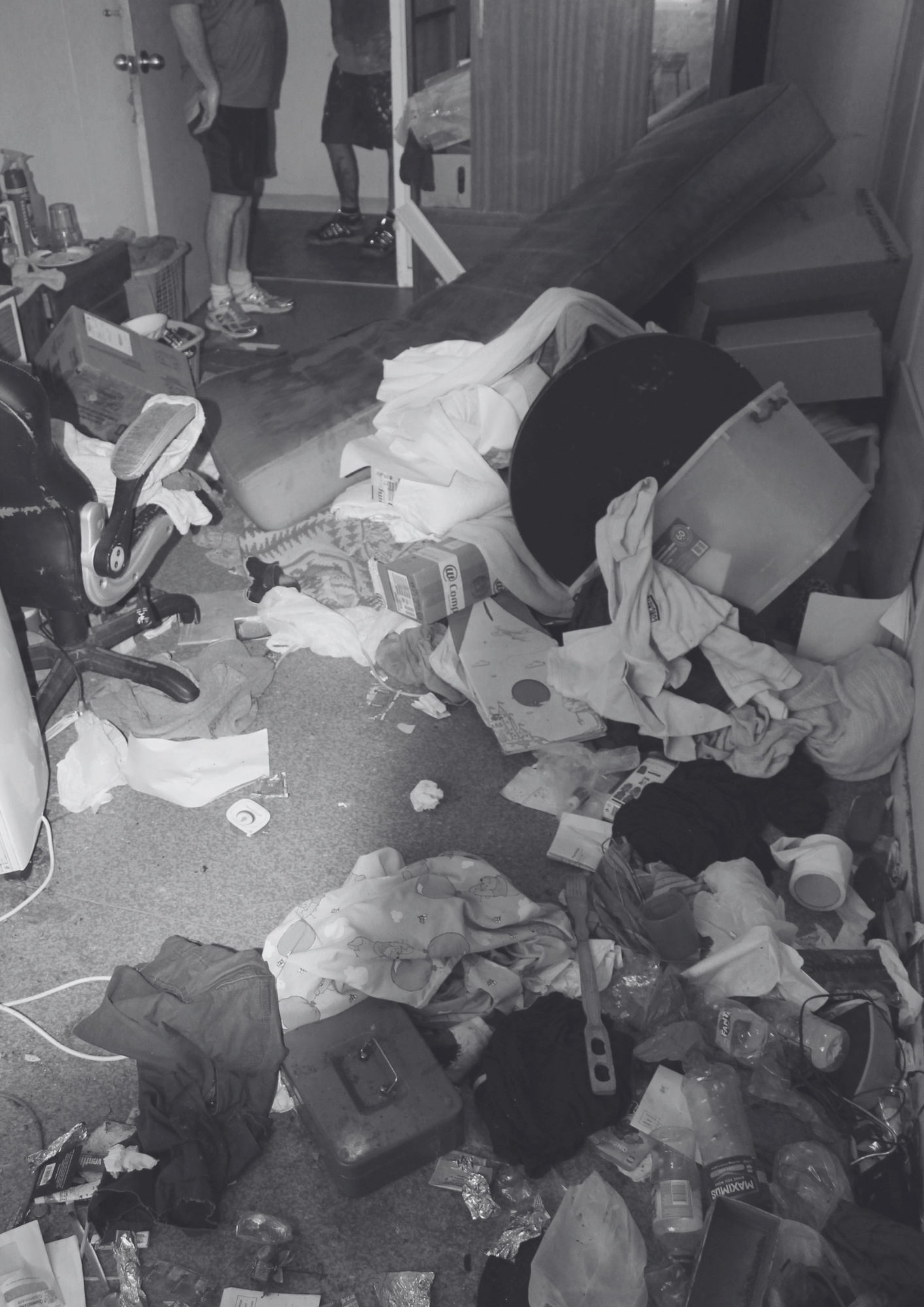
While Australia does face a genuine shortage of supported accommodation, part of that shortage is self-inflicted: existing buildings that could be restored and returned to safe use are instead left to deteriorate, for want of investment and coordination. Across the country, boarding houses and supported accommodation facilities have been left to deteriorate for years, sometimes decades, while the people living in them had nowhere else to go. Mould-covered rooms, failing infrastructure, and a lack of basic upkeep became normalised simply because no one was funded or positioned to fix it.
We created Restore-a-Home because rebuilding from scratch isn't always the fastest or most practical way to get someone into a safe home. In many cases, the building already exists — what's missing is the investment and the coordinated effort to restore it properly. Rather than leaving neglected facilities to decline further, or waiting on new construction that can take years to materialise, Restore-a-Home mobilises the resources that are often already close by.
How It Works
The program brings together local businesses and other residential providers to repair and redevelop neglected supported accommodation facilities, pooling trades, materials, expertise and funding that would otherwise be inaccessible to a single struggling facility on its own. It's a model built on collaboration, where businesses can contribute what they do best, providers contribute their understanding of resident needs, and together, a facility that was failing its residents is turned into one that can genuinely support them.
The Confronting Reality
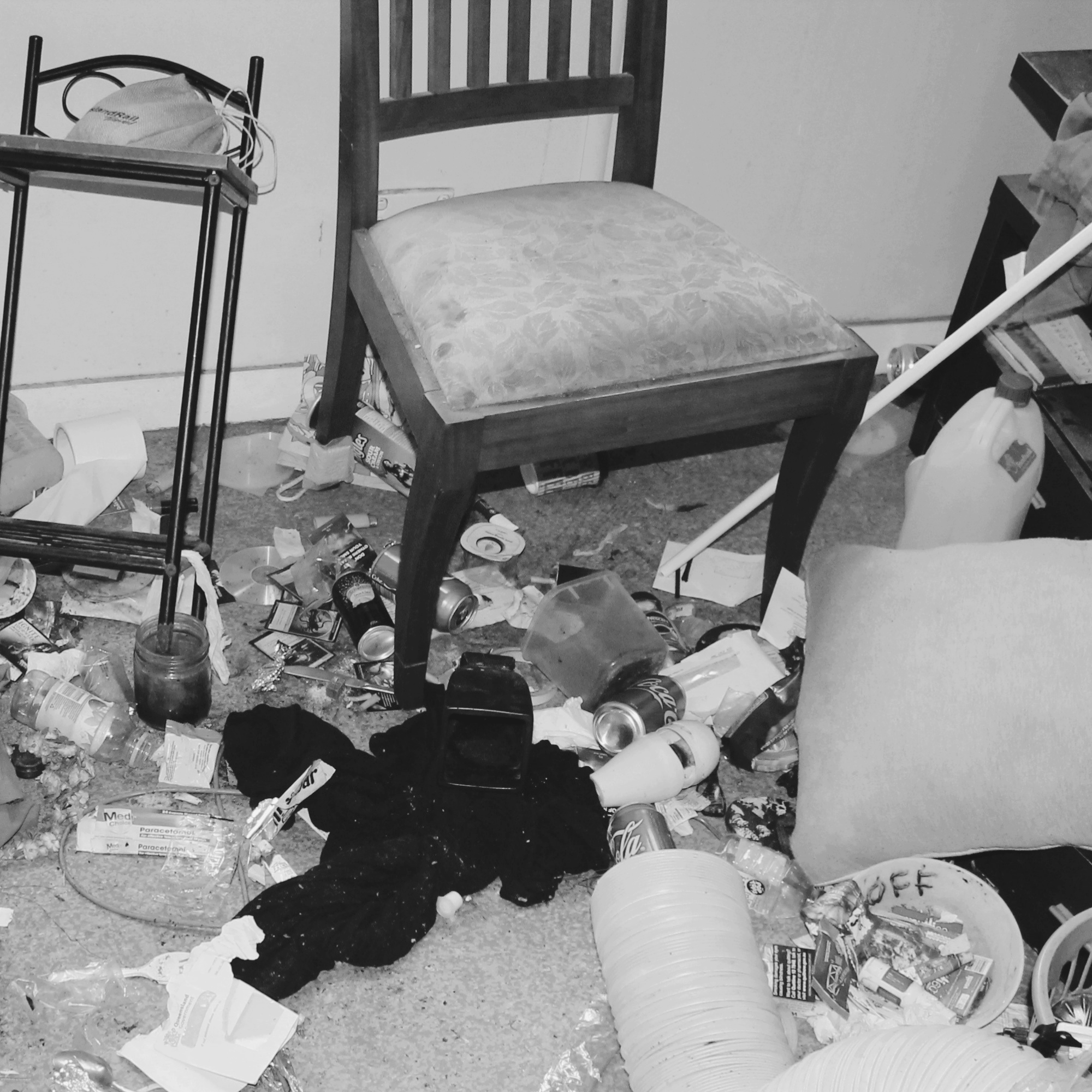
This share-house was so uninhabitable that no words could describe it except the lack of respect for pure human dignity. Most who were living here slept on mould-covered mattresses in pest-infested rooms. The Lorraine Gorman Foundation wasted no time getting the residents immediately deployed to nearby facilities and got straight to work!